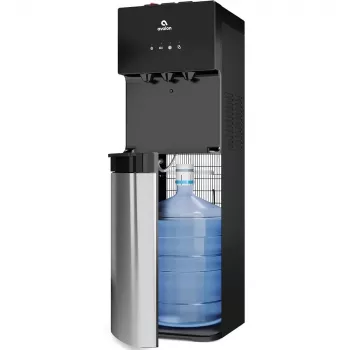
A stainless steel water cooler dispenser brings durable surfaces, a polished look, and easy everyday access to drinking water—whether placed in a kitchen, breakroom, waiting area, or small office. The stainless-and-black style in particular fits right in alongside modern appliances, while still being practical enough for high-traffic spaces where fingerprints, drips, and daily use are part of the routine.
Below is a straightforward guide to materials, placement, daily use, upkeep, and buying considerations—so the dispenser looks sharp, runs smoothly, and stays pleasant to use long after the first setup.
Why stainless steel works well for water dispensers
Water dispensers tend to live in places that are hard on surfaces: humid kitchens, busy office corners, and shared areas where people reach for controls dozens of times per day. Stainless steel is popular because it handles those conditions better than many painted housings or low-grade metals.
- Better resistance to corrosion and stains: Especially helpful in humid rooms and near sinks where splashes happen.
- Easier wipe-downs: Smooth stainless panels are typically quicker to clean than textured or porous finishes, keeping the exterior looking neat.
- Modern pairing with black accents: The contrast looks contemporary and can help mask scuffs in high-contact zones.
- A sturdier feel: In shared spaces, a solid build matters when chairs bump into it or people crowd around during peak hours.
For broader water-quality context, public resources like the CDC’s Healthy Water guidance can help households and workplaces think through safe, clean hydration habits beyond the appliance itself.
Best rooms and setups for a stainless steel cooler
Where the dispenser sits affects how convenient it feels and how efficiently it can operate. Aim for a spot with safe power access, enough breathing room, and an easy-to-clean surrounding area.
Room-by-room placement ideas
- Kitchen or dining area: Place near an outlet and away from direct heat sources (ovens, radiators) for steadier operation.
- Office breakroom: Position where lines won’t block doorways; a small mat can catch occasional drips.
- Reception or waiting room: Choose a clean-looking location with space for cups and a small trash bin nearby.
- Garage or workshop: Use stable flooring and protect it from heavy dust; plan to wipe the exterior more often.
Placement checklist
| Placement factor |
What to look for |
Why it matters |
| Power access |
Outlet within reach without stretching the cord |
Reduces trip hazards and strain on connections |
| Ventilation space |
A few inches of clearance around the unit (as allowed by the model) |
Helps the unit run efficiently and avoid overheating |
| Stable surface |
Level, firm floor |
Prevents wobble and accidental spills |
| Traffic flow |
Not in a narrow choke point |
Keeps use comfortable in shared spaces |
| Moisture control |
Easy-to-clean area; optional drip mat |
Simplifies cleanup and protects flooring |
Everyday features that improve the experience
The best dispenser is the one that people actually enjoy using—no awkward bottle refills, no constant wiping around the spout, and no confusing controls. When comparing stainless-and-black models, focus on the small details that reduce everyday friction.
If water quality is a concern in your area (older plumbing, for example), it’s also worth reviewing baseline information like the EPA overview on lead in drinking water to understand what to test for and how to reduce exposure.
Care and cleaning basics for stainless and black finishes
Quick cleaning guide
| Task |
How often |
Helpful tip |
| Exterior wipe |
2–3x per week (more in offices) |
Wipe with the grain of stainless to reduce streaks |
| Touchpoint sanitize |
Daily in shared spaces |
Use a food-safe sanitizer and let surfaces air-dry |
| Deep clean / sanitize |
Per manufacturer guidance |
Set a recurring reminder to keep maintenance consistent |
What to check before buying
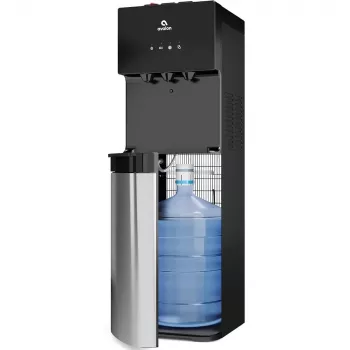
If you want a clean, contemporary look that works across home and workplace settings, the Stainless Steel & Black Water Cooler Dispenser delivers a modern finish with practical day-to-day usability. The stainless exterior helps it hold up in shared spaces, while the black accents keep the overall design sleek and understated.
At-a-glance
Optional add-on for a cleaner setup
For reception areas or offices where presentation matters, a small surface nearby can make the station feel intentional—holding cups, napkins, or a small bin. If you’re furnishing a new space and want a minimal, warm accent, the Nordic Wood Bedside Table can work as a nearby catch-all in a lounge or waiting room corner (where appropriate for the layout).
FAQ
How often should a water cooler dispenser be cleaned?
Wipe the exterior a few times per week (and sanitize touchpoints daily in shared spaces), then deep clean and sanitize internal water-contact parts on the schedule recommended by the manufacturer. Offices and waiting rooms typically need more frequent touchpoint sanitizing than single-person home use.
What should be avoided when cleaning stainless steel surfaces?
Avoid abrasive pads, steel wool, and gritty cleaners that can scratch the finish, along with harsh chemicals that can discolor trim. Use a microfiber cloth with mild soap and water, then dry well to reduce streaks; wiping with the grain helps, too.
Where should a water cooler dispenser be placed for best performance?
Place it on stable, level flooring with the ventilation clearance recommended for the model, near a safe outlet without stretching the cord. Keep it away from direct heat and strong sunlight, and position it so it doesn’t create a bottleneck in busy areas.
Recommended for you









Leave a comment